
The Oak Centre in Dunboyne was the venue for our 2024 Diocesan Synod, held on Saturday 28 September. Prior to Synod beginning its business members joined together for a Service of Holy Communion at 10.30am, also held in The Oak Centre. Synod was chaired by Archdeacon Leslie Stevenson, as Bishop Pat Storey was unable to be present due to health reasons. She asked that her love and good wishes be expressed to the synod. Our Diocesan Secretary, Ms Karen Seaman, was also unable to attend having contracted covid.
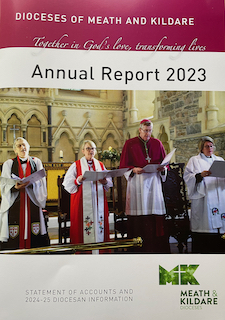
Presidential Address
During his Presidential Address, Archdeacon Stevenson reminded synod members of the challenges being faced internationally. Thinking particularly of the vulnerability of children in the midst of armed conflict taking place in various places across the world, he said they “remind us of the senselessness of war. And when we consume the news there is that sinking feeling of helplessness and anxiety about the direction in which humans are taking the world.” Added to this was “apprehension over climate change.”
Thinking more locally he mentioned “Challenges about the future of parish life” and those challenges “facing us here in Ireland”.
These reflections led the archdeacon to pose the question, “What can we do?” As the way forward he highlighting the importance of hope”
He said, “Christian hope – what does that look like? It springs from our faith. Christian hope goes beyond secular hope that we hear in speeches given by politicians. God makes promises for the future. Promises grounded in the resurrection of Jesus and the indestructible hope of eternal life. The promise of resurrection and renewal gives meaning to all our experience. It is the salvation of our soul, but it is also about the transforming of this world.”
Thinking of how this hope can take shape for us Archdeacon Stevenson talked of how “An occasion like a diocesan synod not only gives us a chance to come together but it is also when we express our thanks in a public way.”
He highlighted the encouragements of:
- “What the diocese did last year in transforming people’s lives. You find it on page 18 of the report, where almost €120,000 was donated to give hope to others.”
- Continuing to keep worship alive during vacancies.
- The work of “ordinands, parish readers, diocesan readers, non-stipendiaries, OLM’s and retired clergy for all that they do, especially on Sundays.”
- “To fellow clergy, thank you for taking on extra responsibilities. It is a blessing that the clergy work happily together in this diocese. That has been the case throughout my time in the diocese. I know bishop Pat would concur with these thanks.”
In his speech Archdeacon Stevenson then talked of colleagues who have or are going to move on, describing how they “have all made their contribution not only to their parishes but diocesan life as well. They have all been great colleagues.” These include:
- Dean Paul Bogle, who is retiring at the end of October. We wish him and Jane well in retirement.
- The Revd Canon Alastair Graham has recently retired and again we wish him and Olive well for the future.
- The Fran Gresham who has moved back to England.
- Luke Hawkins our diocesan youth officer, who is Southern Officer for the Church of Ireland Youth Department and also training for the stipendiary ministry.
Drawing to a close the Archdeacon thanked “our part-time diocesan secretary, Karen Seaman. She carries quite a workload that would normally merit a full-time position.” He concluded by thanking Bishop Pat, saying, “Faith leadership is not an easy task in today’s western society. The days in parish and diocesan life where a bishop can way a crozier and all problems are solved have long gone, if they were ever there. I think I can speak for all the clergy in thanking her for her care for us and our families.”
To read the full text of the address, click on the link below:
Reports
Synod normally approve the Report of Diocesan Council and the Accounts. Due to unavoidable circumstances the Accounts were not ready to be published, due to the illness of the auditor. When the Accounts are to be published they will be presented to the Diocesan Council for their consideration. They will then be considered by members of Synod, at a virtual meeting, at a date to be agreed by Diocesan Council. This process was agreed by members of the synod.
The report of the Diocesan Council was presented to synod and proposed by the Very Rev Paul Bogle and seconded by Mr Mark Potterton.
There was a recognition of the difficult financial challenges that parishes face, particularly as they meet assessments. But, as Dean Bogle observed, “It is amazing what can be achieved when committed people come together”.
Dean Bogle remarked on how our churches provide a place for stillness and reflection. He also expressed gratitude for the great contribution of Luke Hawking’s, our former Diocesan Youth Officer. Thanks were also expressed for the work of Canon Isaac Delamere who manages our Safeguarding, to our Diocesan Secretary and to Earl Storey our Communications Officer and to Rev William Seale who manages the Diocesan Clerical Society.
Dean Paul, looking towards his own retirement, talked of the “privilege and pleasure” of having served in the diocese.
Mr Mark Potterton, seconding the report, expressed appreciation for the work of the Diocesan Secretary in preparing the Report of the Diocesan Council.
Gratitude and appreciation ran through may of the contributions from the floor of synod. The need for prioritising parish Safeguarding returns to central Church bodies was highlighted, whilst noting a diocesan training evening planned to take place regarding adult Safeguarding. The work of Mr Luke Hawkins, our former Diocesan Youth Officer was also applauded. The development of Kildare Centre of Mission was recognised, thanking Ms Kelley Bermingham, one of our Pioneer Evangelists at St Brigid’s Cathedral Centre of Mission, who has moved to a post with St Patrick’s Cathedral, Dublin. The work of the Church’s Ministry of Healing: Ireland was also highlighted.
The report of the Diocesan Board of Education was presented by Ms Rhonda Willoughby and seconded by Canon Craig McCauley. The board meets four times per year and a flavour of their work was communicated to synod.
The importance of education was recognised – how education breeds confidence, this breeds hope … and a sense of possibilities for the future. The importance of the National Schools in our diocesan was recognised, even in a time of challenge for recruitment. Appreciation was expressed for the outgoing and incoming Boards of Management, especially for the time and expertise being offered.
Canon John Clarke took the opportunity to congratulate St Peter’s National School, Dunboyne, on the completion of their new school building – the result of vision and hard work over many years.
Coffee and Lunch
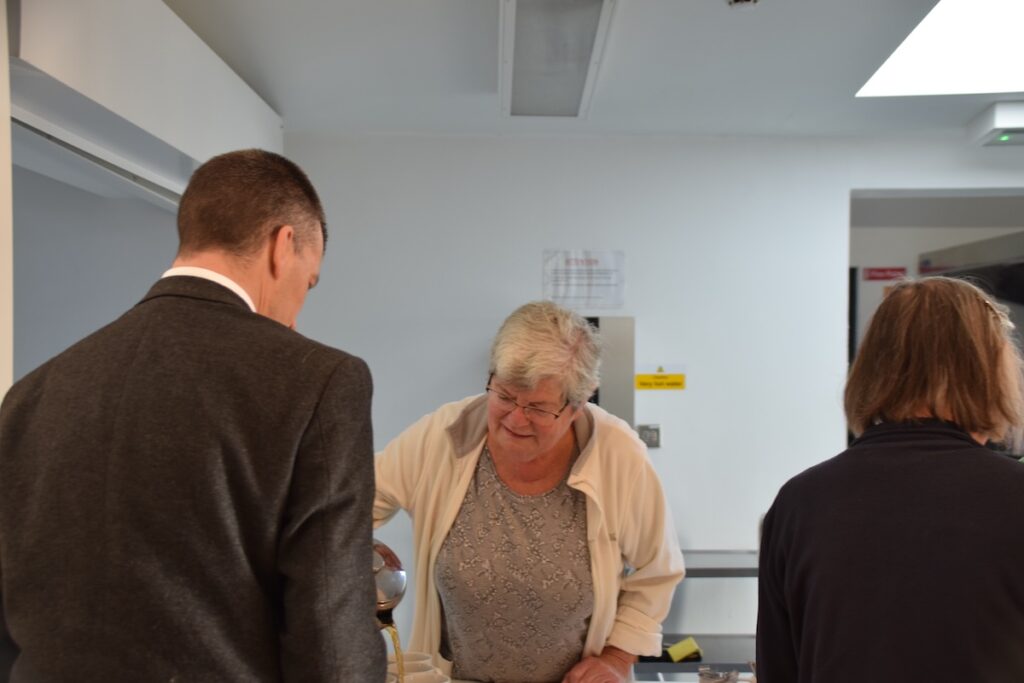
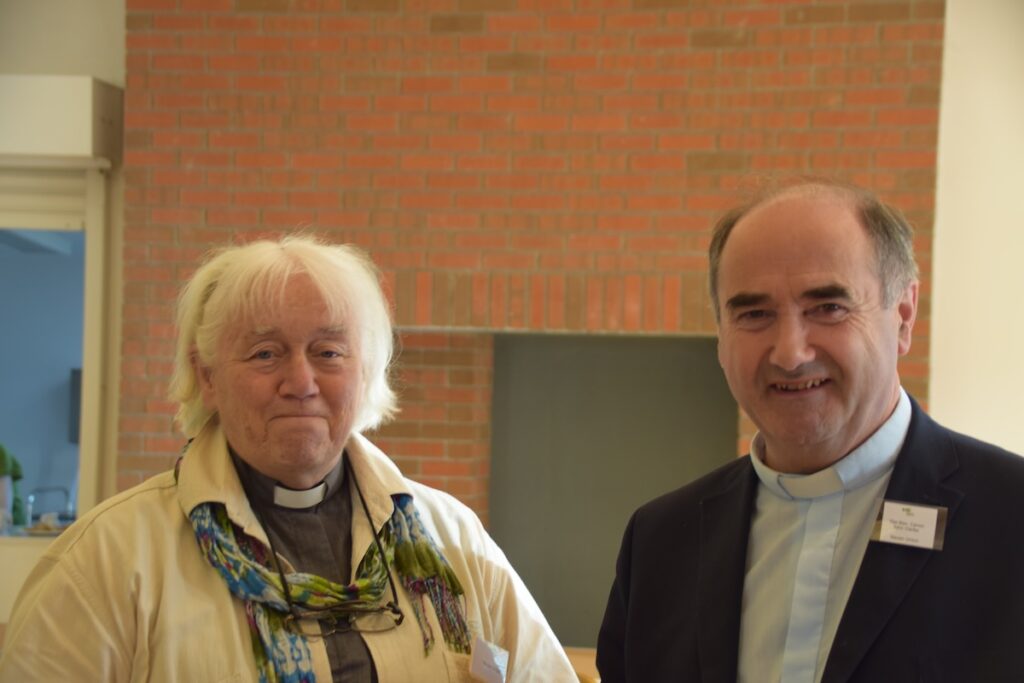
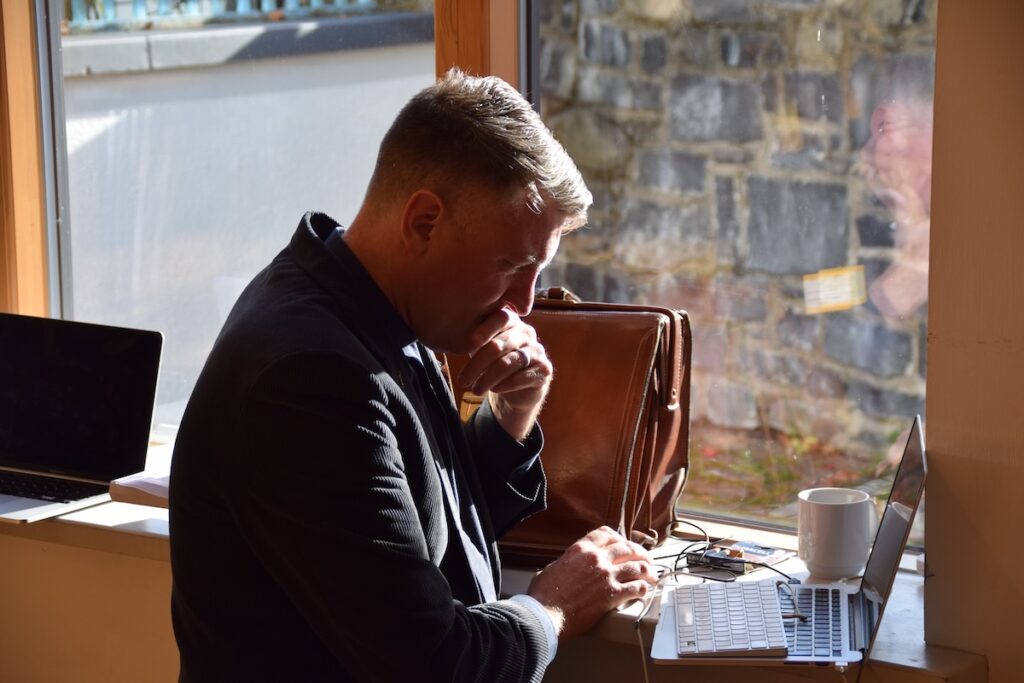
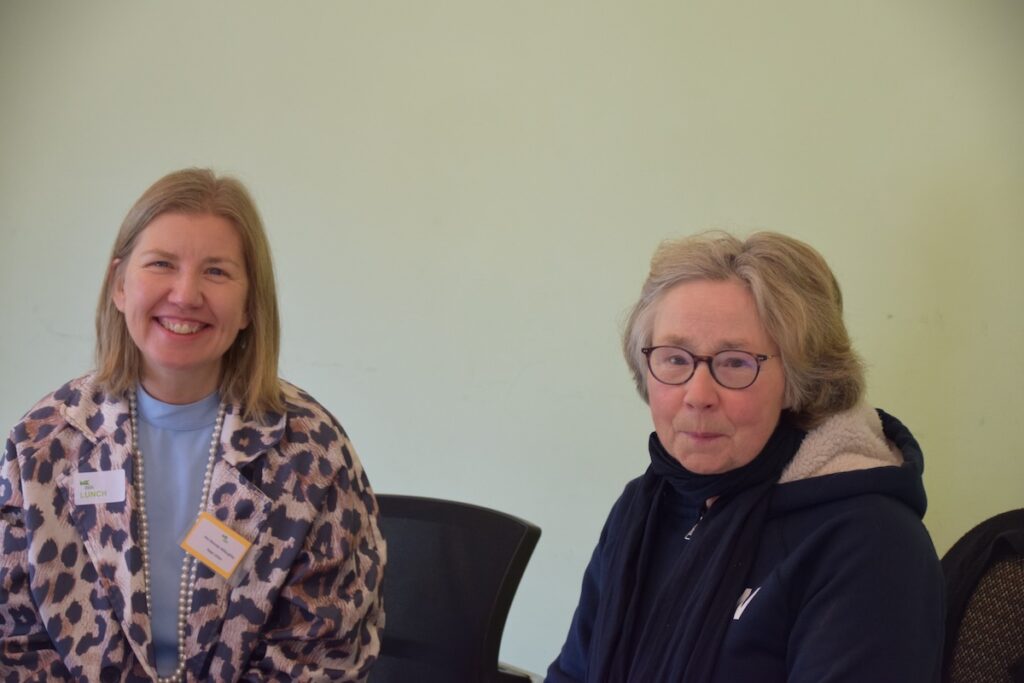
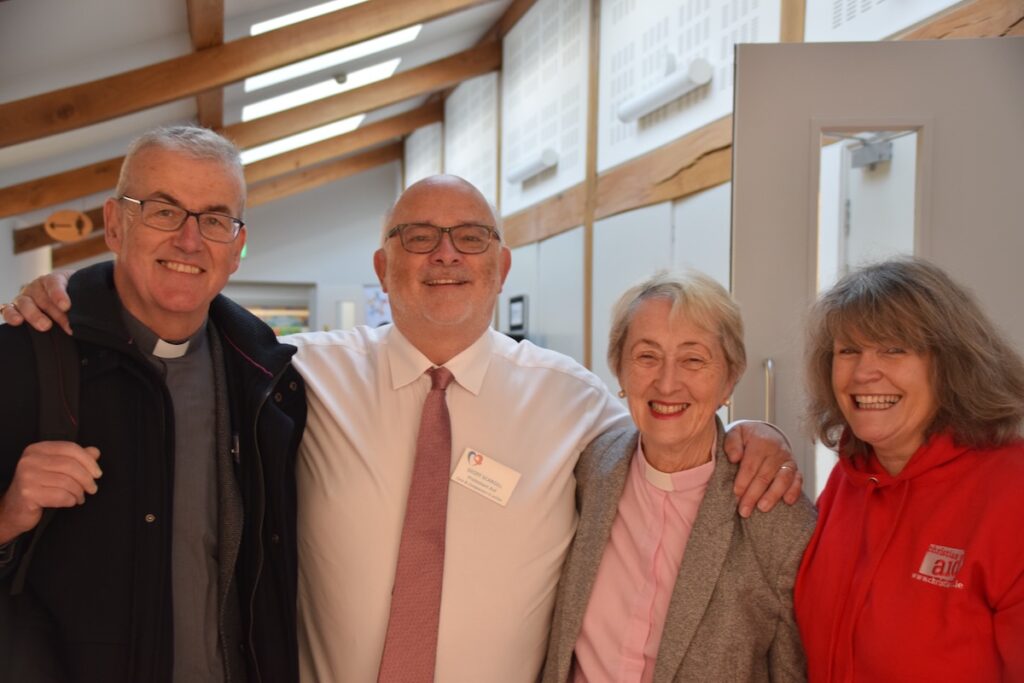
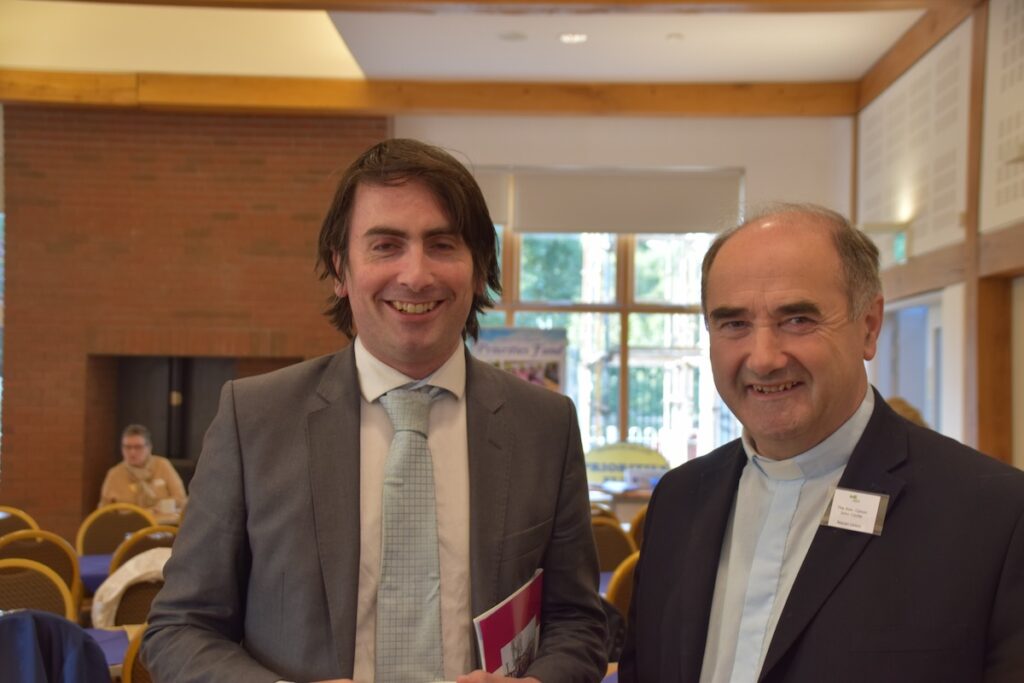
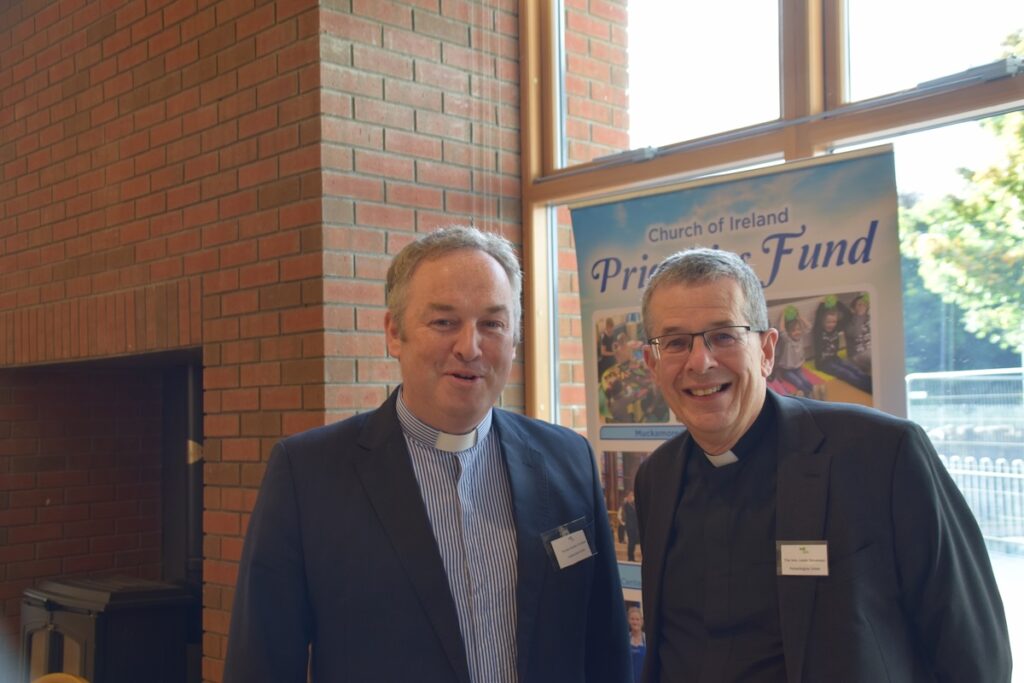
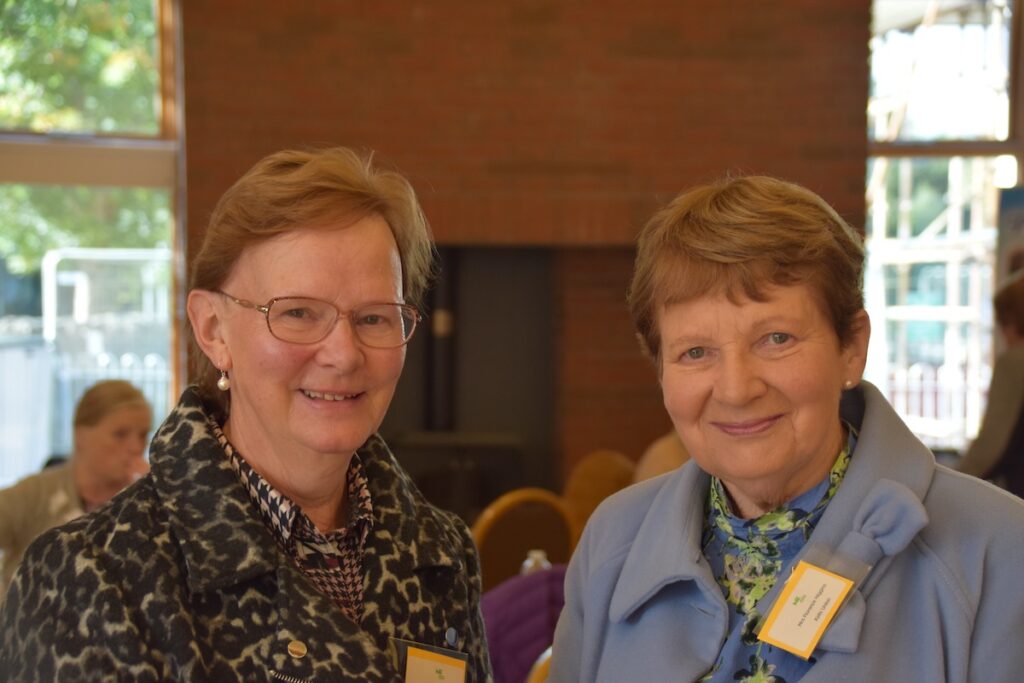
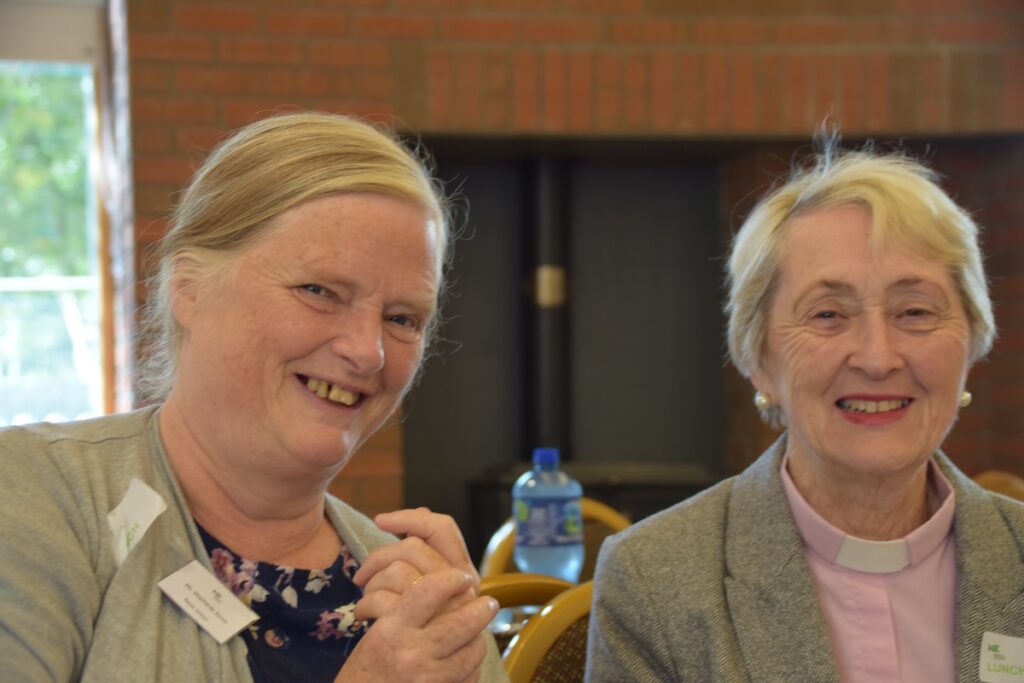
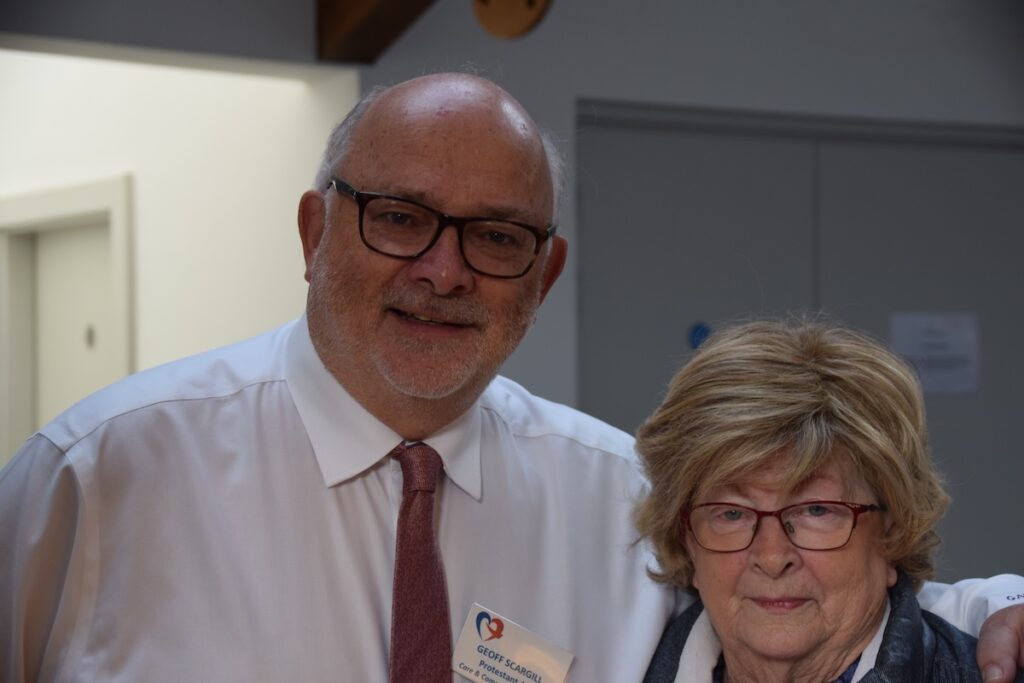
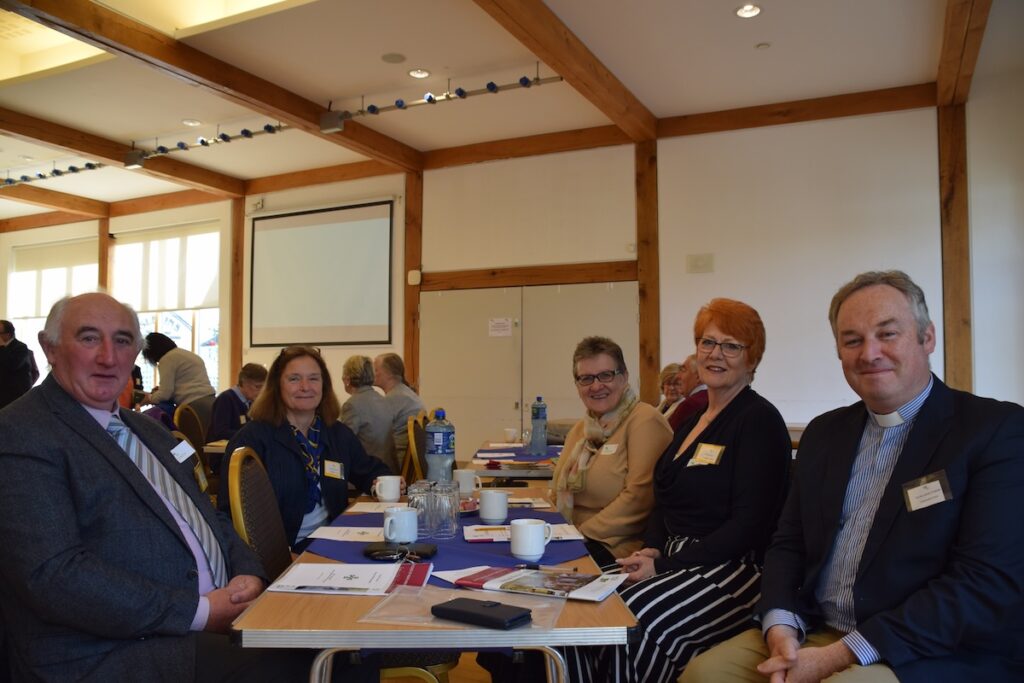
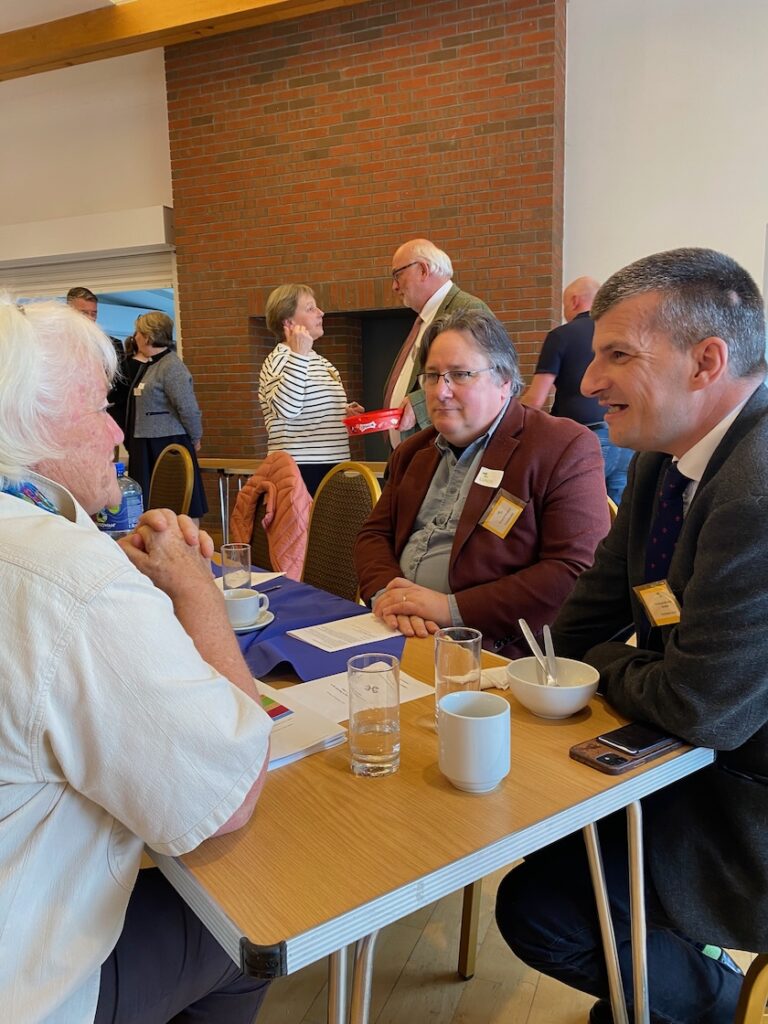
Meeting for coffee before the synod business began, as well as having an excellent lunch, provided a great opportunity for synod representatives to meet informally and renew friendships.
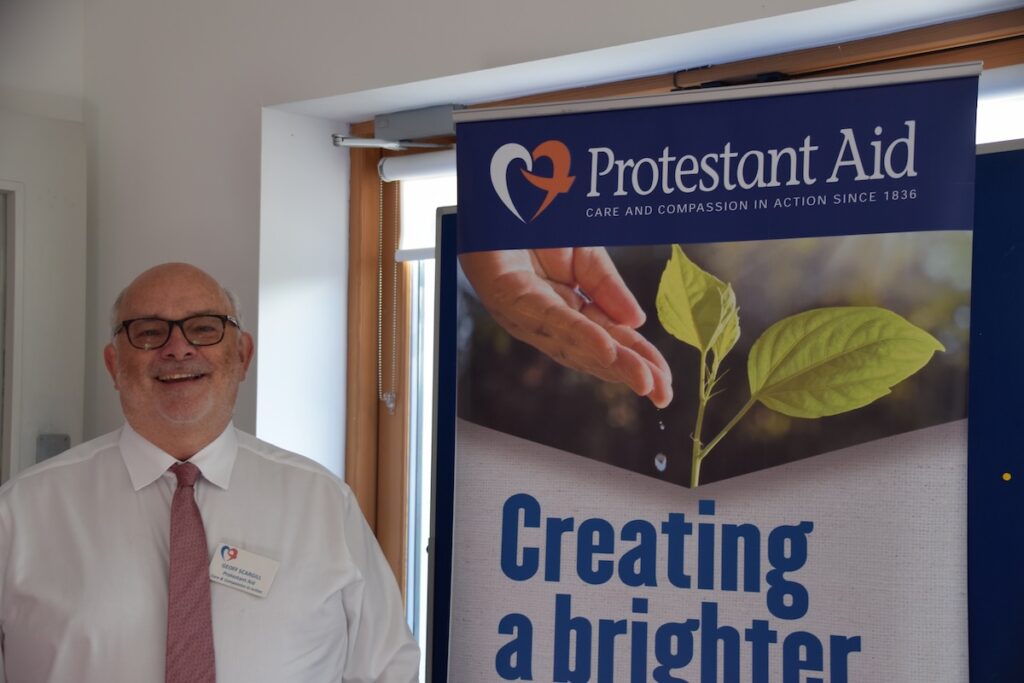
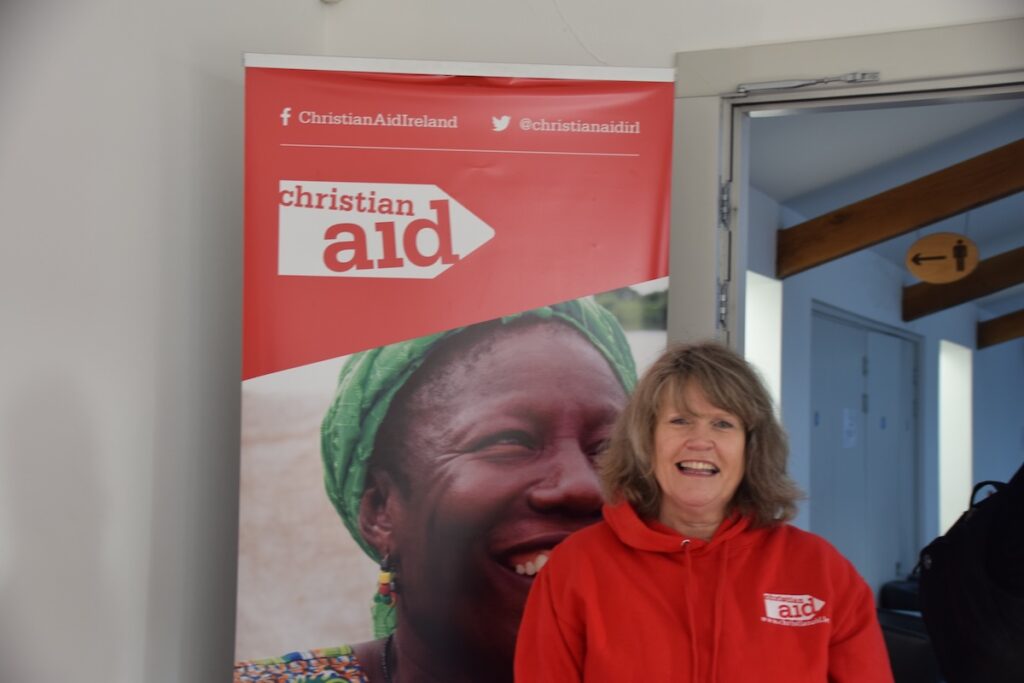
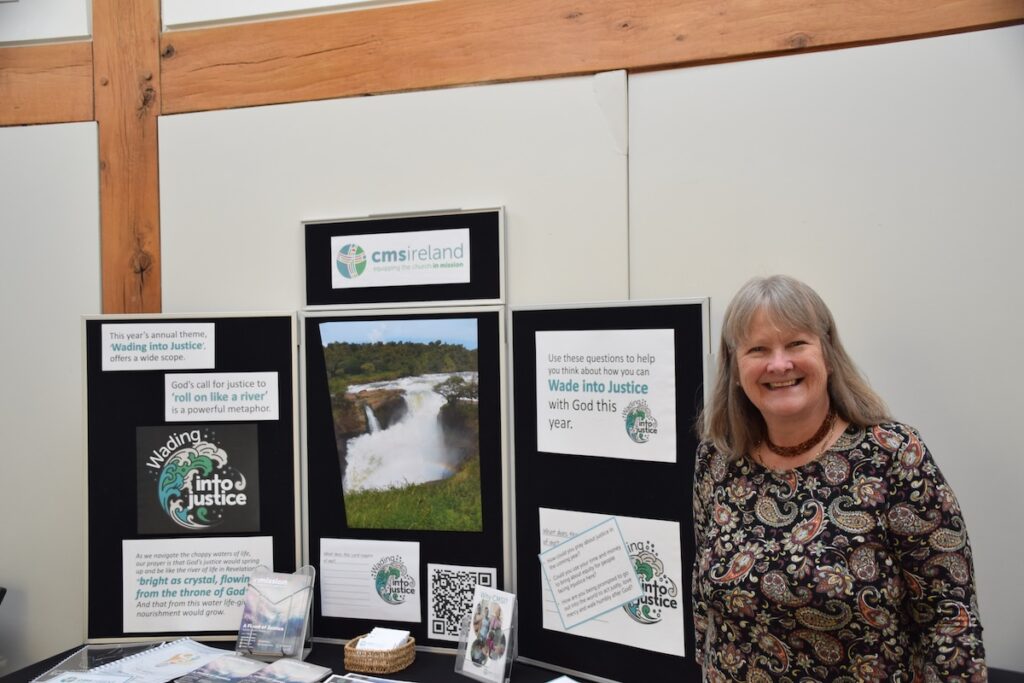
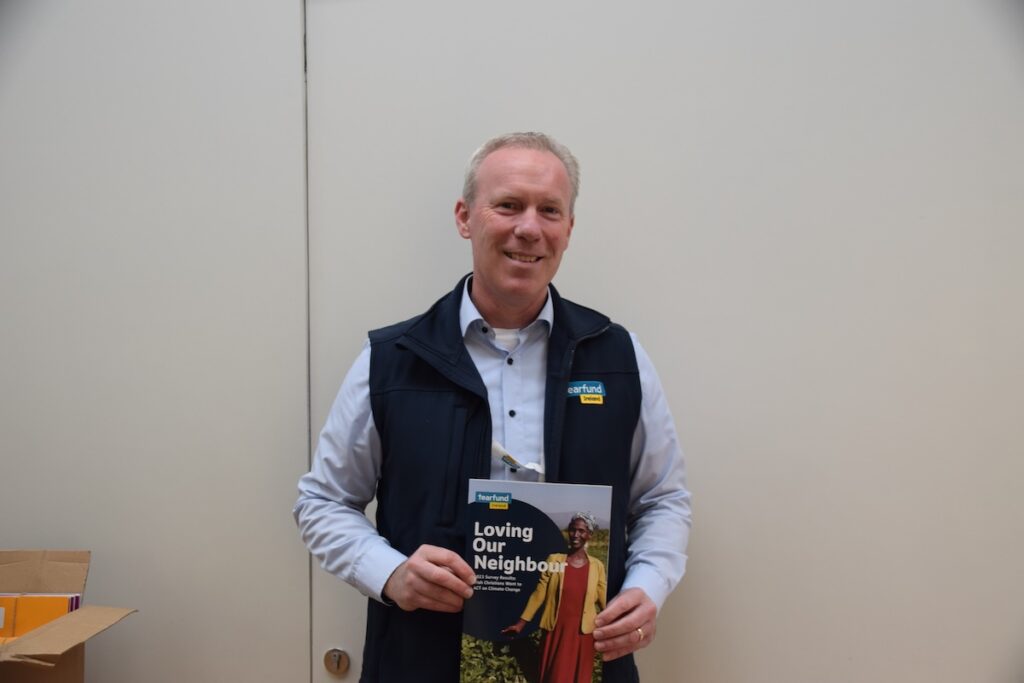
One of the things that adds to the colour and flavour to the event is the presence of exhibitors from a wide range of organisations across the Church of Ireland. Members of Synod were able to visit their stands during our lunch break.
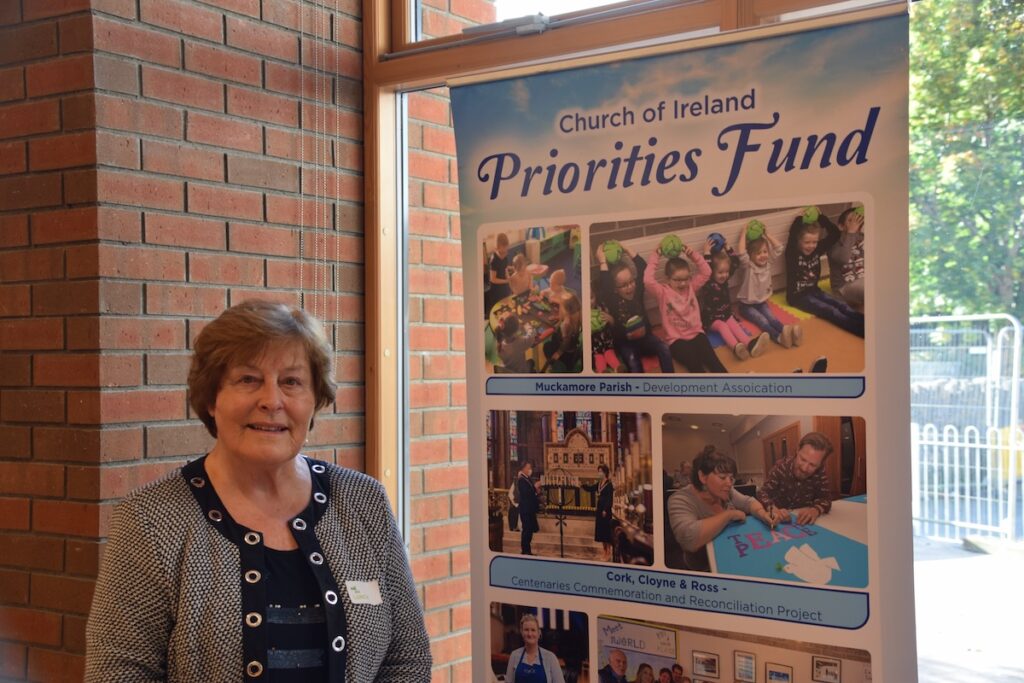
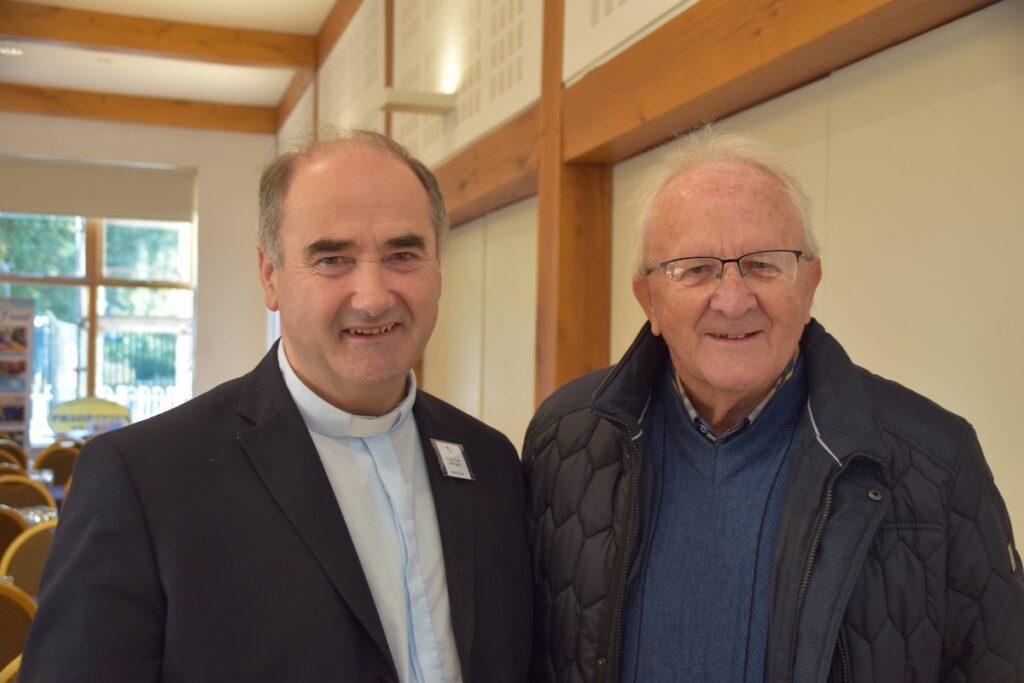
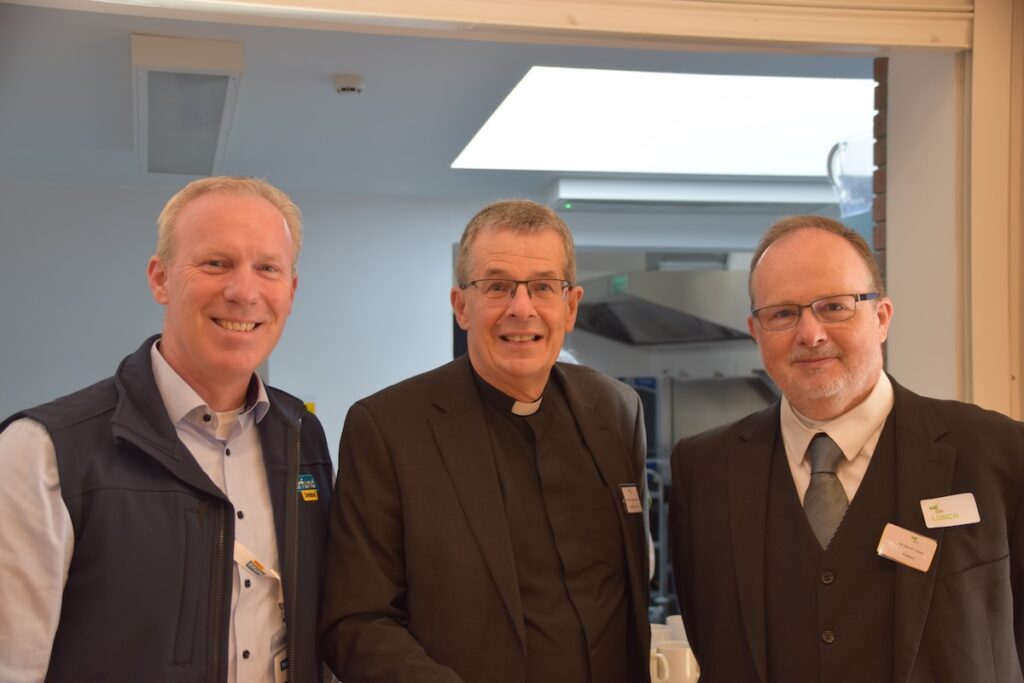
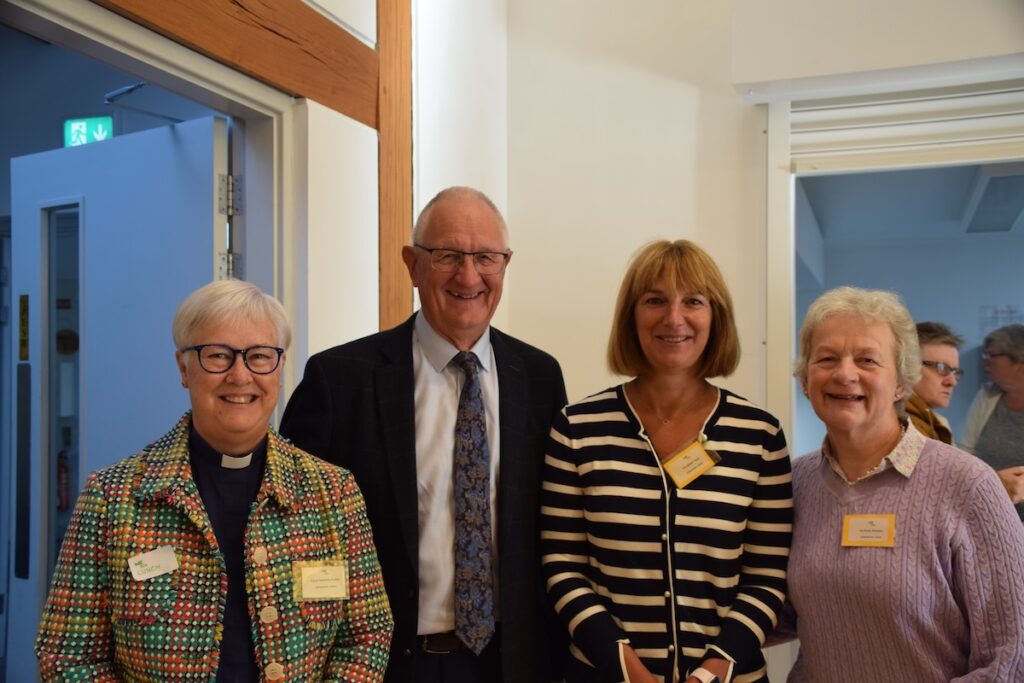



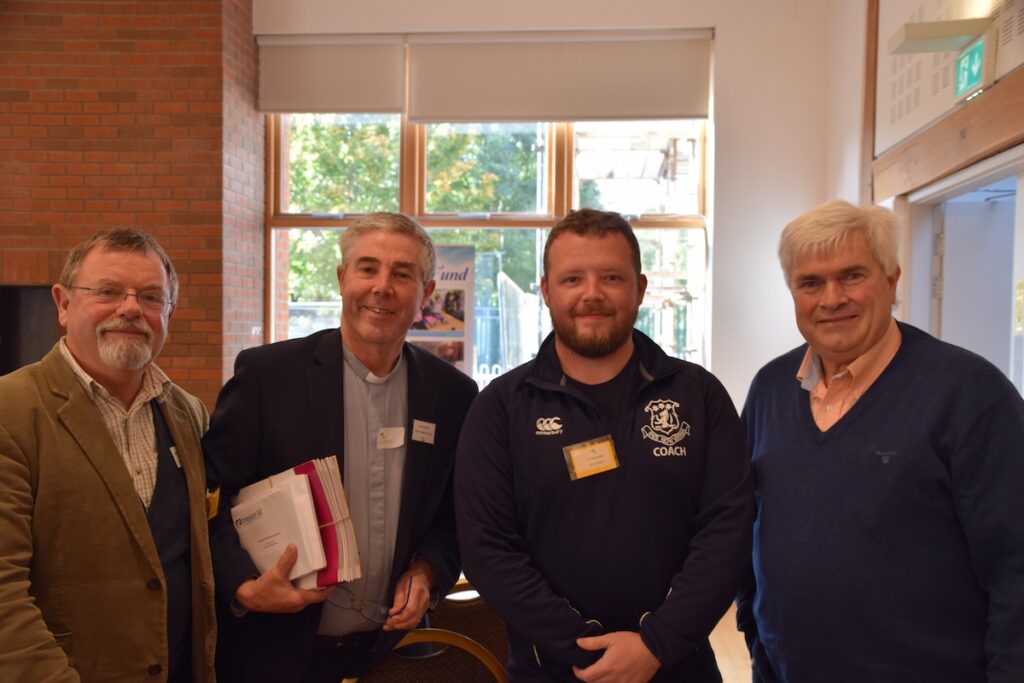
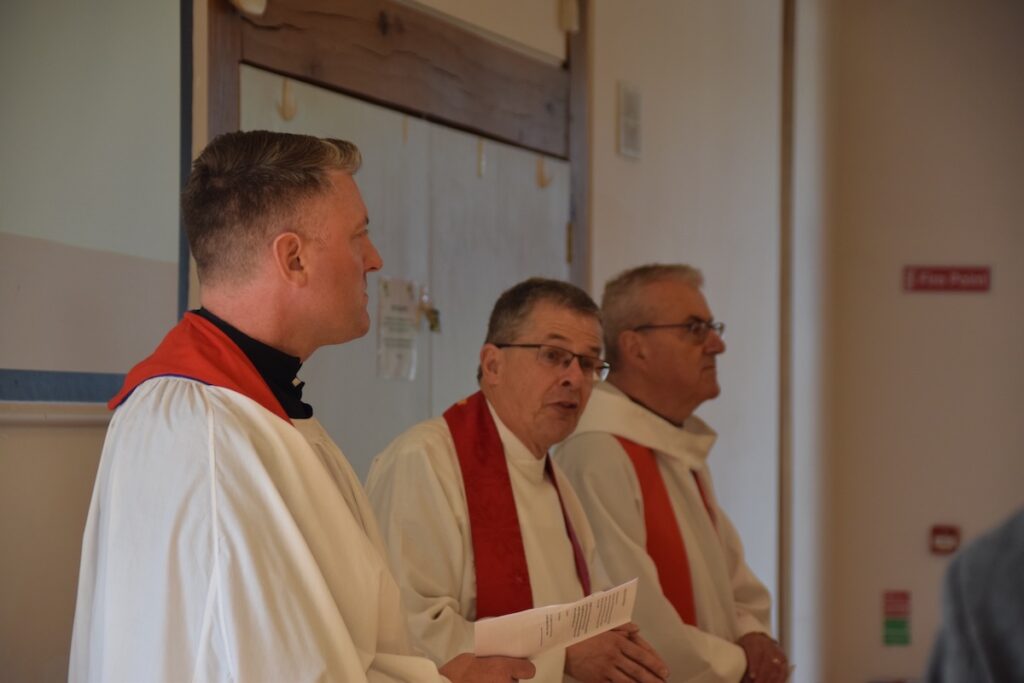
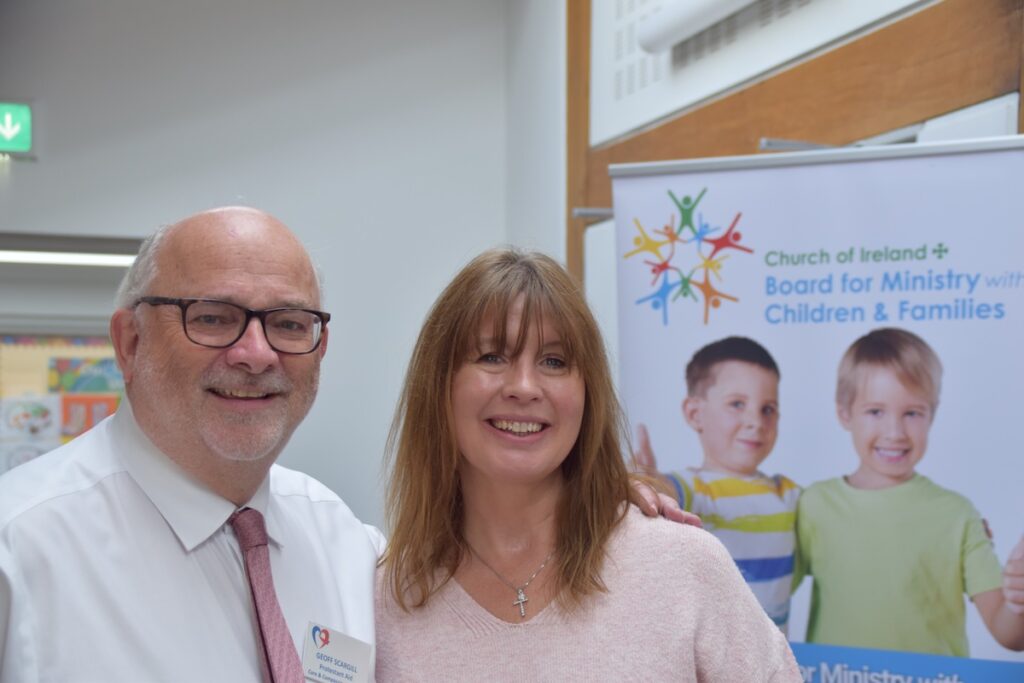
‘Interactive Mission Experience’
Following this report members agreed to the Suspension of Standing Orders, so that synod could have a facilitated session by Mr Sean Copeland, the CEO of TEARfund Ireland. Sean used an exercise to help us reflect deeply on issues of climate change and fairness.

We reflected on the tension of being in a privileged situation in the West whilst other parts of the world live in very difficult situations – and the cost to us of making change. We realised that those most affected most by climate change are often those who are least contributing to the issue.
He described why TEARfund addressed climate change, as a Christian mission organisation, posing the following reasons: That God created the world and a necessity to love our neighbour, including the world’s poorest.

CIYD and Tearfund provide many resources and tool kits that individuals and parishes can use to look at climate justice. Sean highlighted research which showed that that many young people believe climate change was an important issue for the Church to address. The research also showed that there was still hope that Church members could still do something effective.
The discussion then developed into an open discussion of practical things that we can do to address the issue of climate justice – recognising that it is a huge issue, but we can start small and practical.
At the end of business members agreed to adjourn the synod until the presentation and consideration of the Accounts.
Thanks
We are grateful to our office holders and representatives for all the work they do throughout the year to run our dioceses. Thanks to Ms Karen Seaman, for her work as our Diocesan Secretary, and to Archdeacon Leslie Stevenson for chairing the Synod and delivering the Presidential Address. We also appreciate Mr Garrett Casey who acted as the Assessor during the business of Synod. Thanks to the parishioners of Dunboyne and Rathmolyon for hosting us, and for all those who worked so hard to organise the event.
What is a Diocesan Synod?
Every Church of Ireland diocesan synod consists of the bishop, the beneficed and licensed clergy of the diocese, and elected lay members from parishes from across the dioceses. This synod meets under the presidency of the Bishop, and has responsibility for many aspects of diocesan life. For instance, it elects the diocesan council (comprising lay and clerical members) which is in a sense the executive committee of the diocesan synod. Every third year the diocesan synod elects the clergy and laity who will represent the diocese on the General Synod.[1]